AC Capacitor Replacement Signs and the Next Steps
AC Capacitor Replacement Signs and the Next Steps
One of the smallest yet most important parts of your air conditioning system is the capacitor. Although it is usually inexpensive to replace, a failing capacitor can quickly lead to a complete system breakdown when ignored. Understanding the warning signs of a failing AC capacitor can help Southwest Florida homeowners avoid uncomfortable days without air conditioning, expensive repairs, and additional damage to their HVAC equipment.
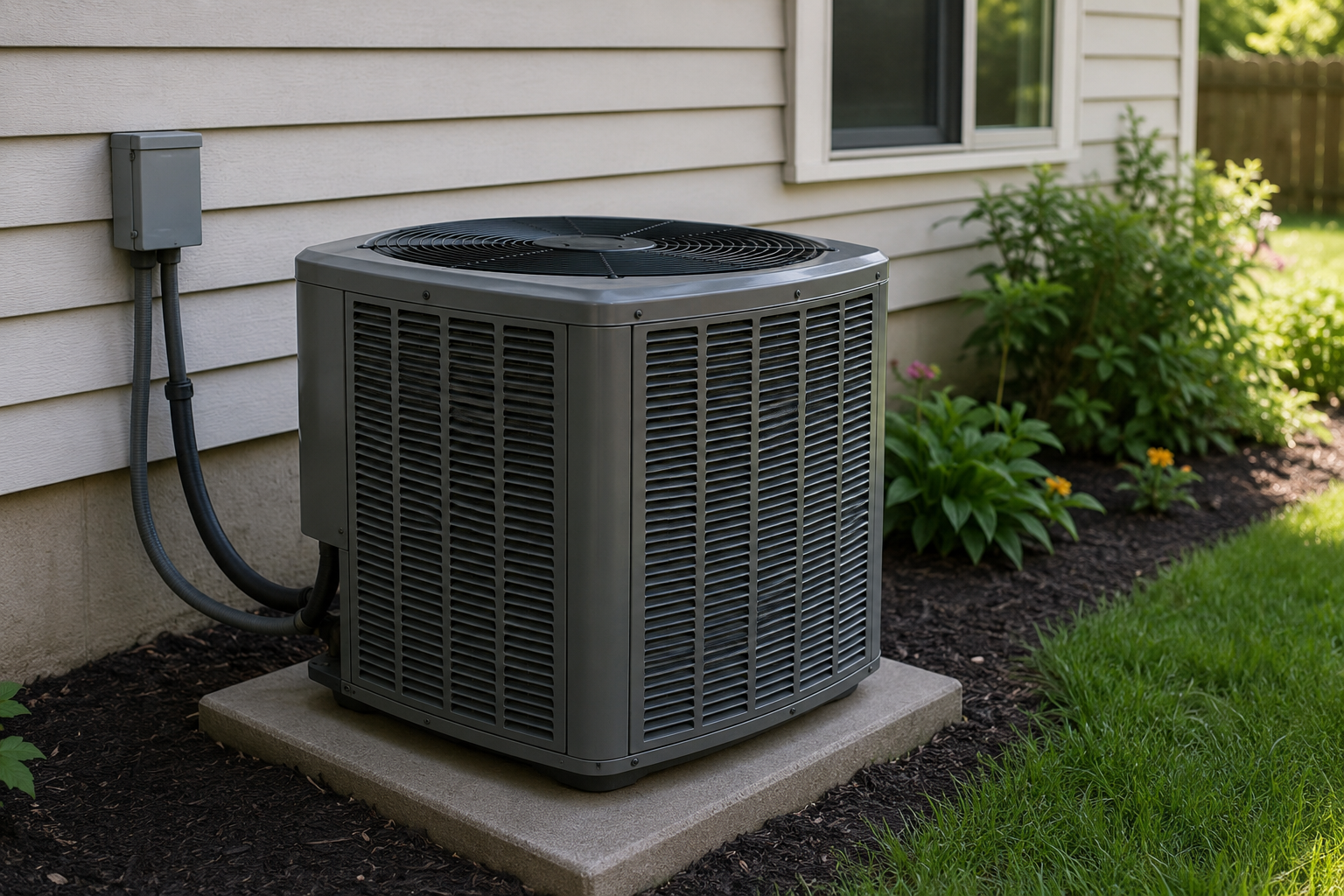
An AC capacitor acts like a battery for your air conditioning system. It stores electrical energy and delivers the power needed to start and keep the compressor, blower motor, and condenser fan running properly. When the capacitor begins to weaken, these components struggle to operate, causing noticeable issues throughout your system. One of the earliest signs of a failing capacitor is difficulty starting the air conditioner. You may hear your system attempting to start, only to shut off again after a few seconds. In some cases, the outdoor unit may produce a humming sound while the fan fails to spin.
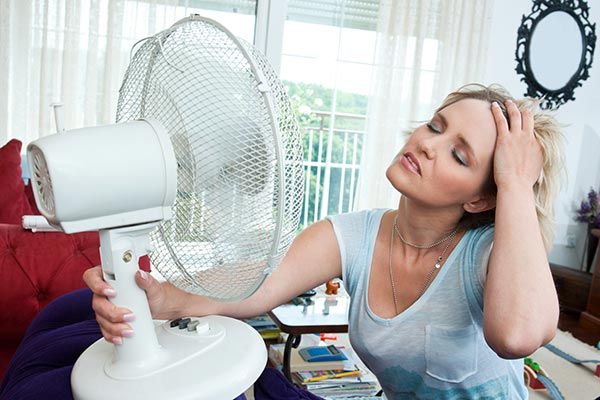
Warm air coming from your vents is another common warning sign. Even if your thermostat is set correctly, the system may not be able to circulate cooled air because the compressor or fan motor cannot operate. In Southwest Florida, this problem can quickly make indoor temperatures uncomfortable. If your air conditioner seems to run continuously without reaching the correct temperature, the capacitor may be struggling to provide consistent power. This forces the system to work harder.
Visible damage is another indication that replacement may be necessary. During a professional inspection, technicians often find capacitors that appear, leaking oil, rusted, or corroded. Florida's heat, humidity, and storms can accelerate deterioration, making routine maintenance important for homeowners. If you suspect your AC capacitor is failing, the next step is to turn off your air conditioning system and schedule a professional inspection with us at Posteck Services. Capacitors store high-voltage electricity even after power has been disconnected, making them dangerous for you to handle without proper training and equipment. Attempting to do it yourself can result in serious injury or additional system damage. A qualified HVAC technician can safely test the capacitor using specialized equipment and determine whether replacement is needed. During the service visit, the technician should also inspect other electrical components, verify proper voltage, examine the contactor, test the compressor and fan motors, and ensure no underlying issues contributed to the capacitor failure.
For homeowners in Fort Myers and throughout Southwest Florida, staying ahead of small HVAC issues helps ensure reliable comfort during the hottest months of the year. If you've noticed your air conditioner struggling to start, blowing warm air, running longer than normal, or making unusual noises, don't wait for a complete breakdown, call the HVAC experts right away.
Posetek.com
(239) 590-9829